
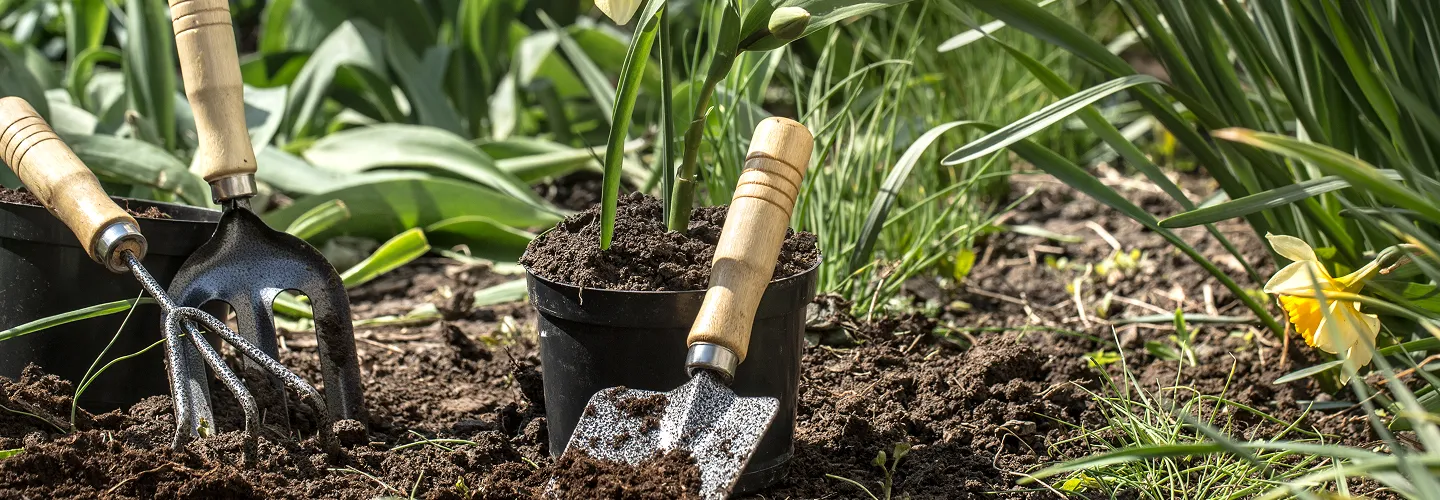
Glenview Flower Planting Services
Choose our flower planting services for vibrant, long-lasting blooms and professional care that transforms your outdoor space into a colorful oasis.
Get a Free QuoteOur Glenview Landscaping & Yard Care Services
When to Schedule Flower Planting in Glenview, IL – Seasonal Guide
In Glenview, IL, the best times for flower planting are typically in early spring and early fall, when temperatures are moderate and the risk of frost is minimal. Glenview’s climate, influenced by its proximity to Lake Michigan, brings cool springs and humid summers, making it important to monitor local frost dates—usually the last frost occurs in late April and the first frost arrives in late October. Neighborhoods like The Glen and Swainwood often experience microclimates due to tree coverage and elevation, so it’s wise to observe your specific yard’s sun and shade patterns before planting.
Soil in Glenview ranges from loamy to clay-heavy, especially near the Techny Basin and along the West Fork of the North Branch Chicago River. These areas may require soil amendments for optimal flower growth. Additionally, municipal watering restrictions are in effect from May 15 to September 15, so planning your planting around these dates can help ensure your flowers establish strong roots before the hottest, driest part of the year. For more information on local regulations and services, visit the Village of Glenview Official Website.
Local Factors to Consider for Flower Planting in Glenview
- Proximity to mature trees and resulting shade coverage
- Soil type and drainage, especially in areas near the river or basins
- Average precipitation and risk of summer drought
- Local frost dates and temperature fluctuations
- Municipal watering restrictions and permit requirements
- Terrain variations, such as sloped yards or low-lying spots prone to pooling
- Neighborhood-specific microclimates (e.g., The Glen, Swainwood, East Glenview)
Benefits of Flower Planting in Glenview

Expert Local Knowledge
Customized Landscape Designs
Seasonal Plant Selection
Enhanced Curb Appeal
Eco-Friendly Practices
Reliable Maintenance Services
Glenview Flower Planting Types

Perennial Flower Beds
-
Annual Flower Displays
-
Native Wildflower Gardens
-
Shade Garden Plantings
-
Pollinator-Friendly Plantings
-
Seasonal Bulb Planting
-
Container Flower Arrangements
Our Flower Planting Process
Site Evaluation
Soil Preparation
Plant Selection
Careful Planting
Watering and Mulching
Why Choose Glenview Landscape Services
-
Glenview Homeowners Trust Us
-
Expert Lawn Maintenance
-
Reliable Seasonal Cleanup
-
Competitive Pricing
-
Professional Team
-
Satisfaction Guarantee
-
Personalized Service
Contact Glenview's Department of Public Works for Planting Material Disposal & Municipal Garden Programs
Proper management of planting materials is essential for both environmental stewardship and compliance with Glenview’s municipal ordinances. Flower planting projects must sort packaging for disposal: plastic pots should be recycled through local programs, while biodegradable containers are composted. Soil amendments and excess soil must be coordinated with the Transfer Station or Recycling Center, following local procedures. Plant debris from site preparation and seasonal cleanups should be placed in biodegradable paper bags and set out for yard waste collection, adhering to Glenview’s waste management rules. For public planting projects, coordination with the Glenview Parks and Recreation Department is vital for integrating with community beautification initiatives, supporting volunteer programs, and planning seasonal displays. Sourcing plant materials from local nurseries ensures quality and supports regional businesses, with a focus on disease-free, appropriately sized, and sustainably grown plants. Major installations may require permits and review by the Building and Planning Departments, and compliance with homeowner association guidelines is necessary for private properties.
Glenview Department of Public Works
2500 East Lake Avenue, Glenview, IL 60026
Phone: (847) 724-1700
Official Website: Public Works Department
Glenview Park District
1930 Prairie Street, Glenview, IL 60025
Phone: (847) 724-5670
Official Website: Glenview Park District
Professional Site Assessment & Soil Testing Requirements for Glenview's Glacial Till & Prairie Soils
A thorough site assessment is the foundation of successful flower planting in Glenview, where glacial till and prairie soils predominate. Mandatory soil testing through the University of Illinois Extension Plant Clinic provides a comprehensive analysis of pH (typically 6.0–7.5), nutrient levels, organic matter (target 4–6%), and soil texture. The USDA Web Soil Survey identifies Glenview’s soils as primarily silt loam with moderate to poor drainage, often requiring organic matter incorporation (2–4 inches of compost worked into the top 8–12 inches) and, in some cases, lime or sulfur for pH adjustment. Site evaluation includes sun and shade mapping, microclimate analysis (wind, heat reflection), and infrastructure review. Professional soil improvement protocols address drainage (raised beds, French drains), compaction relief, and integration with mature landscape features for optimal plant health.
University of Illinois Extension
850 N. Brush Hill Road, Elmhurst, IL 60126
Phone: (630) 955-1123
Official Website: University of Illinois Extension
Glenview Environmental Compliance & Illinois EPA Guidelines for Sustainable Landscaping
All flower planting in Glenview must comply with the Illinois Environmental Protection Act and Illinois Environmental Protection Agency guidelines. Permits are required for plantings near water bodies or protected areas, and stormwater management must align with the Illinois EPA MS4 program and Clean Water Act. Erosion control measures, such as mulching and silt fencing, are necessary during installation. Coordination with the Illinois Department of Natural Resources ensures habitat integration and protection of existing root systems. Projects should support local ecosystems, connect with wildlife corridors, and contribute to Glenview’s sustainability goals, including pollinator pathway development and compliance with EPA NPDES requirements.
Glenview Community Development Department
2500 East Lake Avenue, Glenview, IL 60026
Phone: (847) 904-4309
Official Website: Community Development Department
Scientific Plant Selection & Climate-Appropriate Species for Glenview's Climate Zone 5b
Glenview is located in USDA Hardiness Zone 5b, requiring careful plant selection for climate resilience. Recommended annuals include marigolds, petunias, zinnias, and impatiens for vibrant seasonal color. Perennials such as coneflowers, black-eyed Susans, bee balm, and coreopsis provide long-term establishment. Native Illinois species—purple coneflower, wild bergamot, blazing star, and prairie dropseed—offer ecological benefits and support pollinators. Bulbs like daffodils, tulips, alliums, and crocus ensure seasonal progression. Site-specific criteria guide selection:
- Full sun (6+ hours): sunflowers, zinnias, rudbeckia, salvia
- Partial shade (3–6 hours): coleus, impatiens, begonias, hostas
- Full shade (<3 hours): hostas, astilbe, ferns, caladiums
- Wet areas: cardinal flower, Joe Pye weed, swamp milkweed
- Dry areas: sedum, butterfly weed, prairie dropseed Climate resilience planning includes drought-tolerant, heat-resistant, and cold-hardy varieties, with disease-resistant cultivars prioritized. Seasonal succession ensures continuous bloom from spring bulbs to fall perennials and winter interest plants.
Professional Planting Standards, Installation Techniques & Quality Control Requirements
Professional flower planting in Glenview adheres to rigorous standards, including certification such as Illinois Certified Nursery Professional. Technical specifications require planting at the correct depth (root ball crown at soil surface), spacing at 1.5–2 times mature width, and backfilling with native soil amended with 25–30% compost. Quality plant material must have healthy, white, fibrous roots, disease-free foliage, and be delivered fresh within 24–48 hours of installation. Installation protocols include careful handling to prevent root damage, thorough site preparation (weed removal), mulching (2–4 inches, 6-inch clearance from stems), and temporary weather protection as needed. Ongoing education in sustainable practices is encouraged for all professionals involved.
Glenview Building Department
2500 East Lake Avenue, Glenview, IL 60026
Phone: (847) 904-4300
Official Website: Development Center / Building Division
Seasonal Planting Calendar & Weather Timing for Glenview's Growing Conditions
Glenview’s planting calendar is shaped by local climate data from the National Weather Service Chicago. Spring planting begins in mid-April after the last frost, with soil temperatures above 50°F. Summer installations (June–July) require increased watering and heat stress management. Fall planting (September–October) should occur 6–8 weeks before the first hard frost to allow root establishment. Winter (December–February) is ideal for planning and design. Bulbs are installed in October–November before the ground freezes, annuals after the last frost, and perennials are divided in early spring or fall. Microclimate considerations include urban heat islands, Lake Michigan’s moderating influence, and local elevation changes, all of which affect timing and species selection.
Glenview Water Management & Irrigation Planning for Conservation Compliance
Effective water management in Glenview involves coordination with the municipal water authority for irrigation planning. Water meter sizing, backflow prevention installation, and annual testing are required for new systems. Seasonal restrictions prohibit lawn sprinkling from 10 AM–4 PM (May 15–September 15), with an odd-even system in effect at other times. Water-efficient practices include hydrozoning (grouping plants by water needs), mulching (2–4 inches), soil amendment for improved water retention, and efficient irrigation systems (drip, soaker hoses, rain sensors). Conservation compliance mandates early morning watering (5:00–9:00 AM), hand-watering exemptions for new plantings, and rainwater harvesting integration. Permits and inspections are managed by the Building Department, with cross-connection control and plumbing code adherence required.
Glenview Water & Sewer Services
2500 East Lake Avenue, Glenview, IL 60026
Phone: (847) 724-1700
Official Website: Water & Sewer Services
Pollinator Protection & Native Species Integration in Compliance with Glenview's Environmental Initiatives
Supporting pollinators is a key priority in Glenview’s flower planting programs. Native Illinois species such as purple coneflower, wild bergamot, blazing star, Joe Pye weed, and golden alexander are recommended, along with beneficial non-natives like bee balm, black-eyed Susans, zinnias, and cosmos. Planting should be timed to avoid disrupting ground-nesting bees (April–July) and to support monarch migration, in alignment with the Illinois Monarch Project. Habitat creation involves diverse plant communities, natural mulches, stone features, shallow water sources, and pesticide-free management using integrated pest management (IPM) principles. Coordination with regional initiatives and conservation organizations ensures alignment with Glenview’s sustainability goals and pollinator corridor development.
Post-Planting Care, Establishment Protocols & Integrated Pest Management
Successful flower establishment in Glenview requires diligent post-planting care. The initial period (first 2–4 weeks) involves daily monitoring and a graduated watering schedule: daily for the first week, every other day the second week, and 2–3 times weekly for weeks 3–4. Fertilization is typically applied 4–6 weeks after planting using slow-release products. Weekly pest and disease inspections are essential during the growing season. IPM strategies prioritize cultural controls (species selection, spacing, mulching), mechanical controls (hand-picking, removal of infected material), biological controls (beneficial insects), and chemical controls only as a last resort. Seasonal management includes summer heat stress monitoring, fall mulching and perennial cutback, and winter protection with mulch insulation and wind barriers. Long-term planning integrates professional maintenance, homeowner education, and seasonal care calendars.
What Neighborhoods Do We Serve Throughout Glenview, IL?
Glenview’s diverse neighborhoods each present unique flower planting opportunities and considerations:
- The Glen: Features urban heat island effects, well-drained urban fill soils, and modern infrastructure. Community standards emphasize vibrant seasonal displays and low-maintenance, sustainable plantings.
- East Glenview: Proximity to the North Branch of the Chicago River creates higher humidity and occasional flooding; soils are silty with moderate drainage. Native wetland species and pollinator corridors are prioritized.
- Swainwood: Mature tree canopy creates extensive shade and root competition; soils are loamy with good organic content. Shade-tolerant species and careful root zone management are essential.
- Golf Acres: Exposed to wind and sun, with sandy loam soils requiring organic matter addition. Drought-tolerant and wind-resistant species are recommended.
- Westfield: Suburban setting with HOA guidelines, moderate shade, and clay soils. Plantings must meet aesthetic standards and maintenance expectations, with emphasis on seasonal color and pollinator support.
- Willowbrook: Near conservation areas and wetlands, with poorly drained soils. Native wetland and moisture-loving species are ideal, and habitat integration is a priority.
- Patriot Commons: High-density development with limited planting space, urban fill soils, and infrastructure constraints. Compact, low-maintenance, and container-friendly species are preferred. Each area requires careful consideration of microclimate, soil, environmental priorities, community standards, infrastructure, and maintenance expectations to ensure successful, sustainable flower gardens.
Glenview Municipal Ordinances for Planting Equipment Operation & Commercial Service Standards
Glenview enforces strict regulations for planting equipment operation and commercial service standards. Equipment may only be operated during permitted hours (typically 7:00 AM–7:00 PM weekdays, 9:00 AM–5:00 PM weekends), with noise restrictions in place to minimize disturbance. Commercial flower planting services must hold appropriate licenses and certifications, including proof of professional horticultural training. All work must meet quality standards for plant health and installation, and public safety protocols must be followed, especially when working in public rights-of-way. Utility location services must be contacted before digging, and all work must comply with local, state, and federal environmental regulations to ensure the safety and sustainability of Glenview’s landscapes.
Glenview Department of Public Works
2500 East Lake Avenue, Glenview, IL 60026
Phone: (847) 724-1700
Official Website: Public Works Department